Hidden
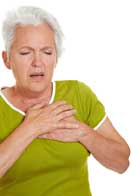
Signs of Heart Attack in Women
Cardiovascular
disease is the leading killer of American women, accounting for
over one third of all deaths, topping the combined death rates from
breast, ovarian, and cervical cancers.
by Michael Roizen,
M.D
As a woman, you may feel that a heart attack is not the greatest risk
you face, but the threat is very real--especially in the years leading
up to and following menopause when hormonal changes can open the door
to heart disease. Knowing the symptoms that women often experience
during the early and late stages of cardiac troubles, and knowing your
risk factors for cardiovascular disease, can significantly increase
your chances of survival.
Heart attack warnings can be subtle. An interesting study on cardiac
events in women has revealed that many women may experience
prodromal--or early--symptoms of cardiac distress in the days, weeks,
or even months leading up to a heart attack. Unfortunately, many of
these signs may go unnoticed because they may not be considered
unusual. Fatigue and sleep disturbances are two of the surprising early
symptoms that might be cause for alarm.
Unusual Fatigue
Fatigue is very common. It may indicate that you are simply short on
sleep, fighting a virus, or experiencing a side effect to medication.
However, a recent study found that over 70% of the women surveyed who
had a heart attack experienced marked fatigue in the days or weeks
prior to their attacks.
Sleep Disturbances
Although it is not unusual to feel tired due to a lack of sleep or a
particularly demanding week or month, women should take special notice
of any unusual or prolonged disturbance in their sleep patterns. A
recent study revealed that almost half of the women who had recently
suffered a heart attack also experienced sleep disturbances in the days
or weeks leading up to their attacks. Shortness of breath during normal
daily activities appeared to be another early warning sign of cardiac
distress, as were indigestion and anxiety.
Pay Attention
So how do you know if it's serious? Getting in the habit of noting your
typical aches and pains and your normal reactions to foods and
activities may help you begin to recognize when something truly is
amiss. Also, remember that someone who has risk factors for heart
disease should be especially vigilant about monitoring how she feels.
Any woman who experiences worrisome or unusual changes in her energy or
comfort levels or her sleep habits should discuss her concerns with her
healthcare provider. A woman who has heart risk factors, such as high
blood pressure, high cholesterol, obesity, diabetes, a smoking habit,
or a sedentary lifestyle, may need to pay particular attention to the
way she feels and should discuss her concerns with her doctor as soon
as possible to rule out heart distress.
Of female members of RealAge.com that are over 40 with
cardiovascular disease:
* More than 70% have a total cholesterol over 200
* Almost 50% smoke cigarettes
* Over 80% indicate they are stressed
* Nearly 40% have a high body mass index (BMI)
Heart Attack Symptoms
Acute symptoms vary. The sudden, violent chest convulsions portrayed on
TV or in movies may not be what most women experience when they have a
heart attack. Although this is considered by many to be a classic heart
attack symptom, research suggests that these dramatic signs may be more
common in men than in women. Fortunately, we now know of several more
moderate signals a woman's body sends to alert her that she is having a
heart attack. Her pain may be fairly atypical in comparison with what
men usually experience.
Although classic, acute heart attack symptoms such as severe chest pain
may occur during an attack, women typically report pain or discomfort
in other areas of the body before or during an attack, pain that may or
may not feel alarming. Pressure, tightness, aching, or burning in your
upper back, neck, shoulders, and arms, or even in your jaw or throat
can be signs of heart distress. Women have also described the
discomfort as sharpness, fullness, or tingling sensations.
Also, shortness of breath, fatigue, stomach pain, cold sweats,
dizziness, indigestion, or nausea may occur during the acute phase of a
heart attack. Learning about the many different acute symptoms of heart
attack can help ensure that you seek emergency care when it is needed.
After 40, your risk for coronary heart disease starts to rise as your
body stops producing estrogen naturally and your cholesterol levels
increase. Although taking estrogen through hormone replacement therapy
was initially thought to protect against heart disease, clinical trials
have found that it does not offer cardiac protection and may increase
the risk of heart disease and ovarian and breast cancers.
Research shows that women frequently ignore signs of illness or
attribute their symptoms of cardiac distress to something else. If you
are feeling unusual fatigue or pain and discomfort, do not casually
dismiss it. The fact that these warning signs may occur as much as one
month prior to an attack gives you valuable time to seek medical care
to determine the cause.
7 Ways to
Reduce Your Risk of Heart Disease
1) Stop smoking if you smoke.
2) Include fresh fruits and vegetables, whole-grain foods, and low-fat
dairy products in your diet daily to get the necessary amounts of
calcium, potassium, and magnesium.
3) When you eat fat, eat unsaturated fats instead of saturated.
4) Have your blood pressure checked regularly.
5) Reduce stress levels at home and work by regularly taking short
breathing breaks.
6) If you drink alcohol, limit it to no more than one glass per day.
7) Get 30 minutes of exercise every day, and keep your weight within
healthy limits.
Reprinted with permission from RealAge.com
Shop
Books & CD's on Healthy Aging
Related
Articles:
Eating For Health
How To Heal Yourself
Cancer, Diet and
Macrobiotics
Real Preventive
Medicine
How
Meditation Heals
Herbs For Cancer Prevention
Stop Smoking the Natural Way
Preventing
Osteoporosis
Proactive Steps to
Strengthen GI Health
The Truth about
Cholesterol
Articles Index
|
|