
| Holistic Health Magazine & Resource Directory | Home Advertise Contact Us |
|
|
| Health Articles | Interviews | Product Reviews | Bookstore | Holistic Directory | ||||||
| Interview with Dr. Andrew Weil Nutrition Expert, Renowned Medical Doctor, Author Dr. Andrew Weil is the author of several best-selling health and nutrition books including Spontaneous Healing, Eight Weeks to Optimum Health, Eating Well for Optimum Health and the cookbook The Healthy Kitchen. Dr. Weil is a graduate of Harvard College and Harvard Medical School, is Clinical Professor of Medicine at the University of Arizona and director of the Program in Integrative Medicine at that institution. Interview by Janice Hughes and Dennis Hughes, Share Guide Publishers Share Guide: In your book, Eating Well for Optimum Health, you said the Mediterranean Diet was one of the most healthy ways of eating. How do you compare the Mediterranean diet to the Okinawan diet? Dr. Andrew Weil: I think that there are principles of the Okinawan diet that I would incorporate into an optimum diet, such as the inclusion of tofu and omega 3 fatty acid sources and vegetables, but I think that there are a lot of strange foods that prevent it from being easily adaptable to Western tastes. The Okinawan diet is very different from the Japanese diet. It includes much more tofu, more pork, more fat, and much less salt. It's a little more like Chinese food than Japanese food--but it still has a lot of fish, an enormous variety of vegetables and fruits, and a lot of seaweed. They also eat some very unusual things, such as bitter melon, which regulates blood sugar. They drink turmeric tea. Turmeric is a very powerful antioxidant. The advantage of the Mediterranean diet is that you are adhering to the same general principles, lots of vegetables, omega 3 good fats and so forth, plus it's a diet that most people in the U.S. would like; it is very easily adaptable to different cultures. Share Guide: So you discuss the Mediterranean diet more in your books because you think it fits in more with our American culture? Dr. Andrew Weil: Yes, absolutely. It is generally more adaptable. Share Guide: Many nutrition books these days talk about the necessity of balancing carbohydrates with protein. They say that especially if you are trying to lose weight, you shouldn't eat carbs by themselves. What do you think about this? Dr. Andrew Weil: I think that is less important than what kinds of carbohydrates you are eating. I think that the really important thing is to become familiar with which kinds of carbohydrates are likely to promote weight gain in susceptible people (which is not everyone). The highly refined processed carbohydrate foods are what can be a problem, especially most of the forms of bread and snack foods we encounter in America. Share Guide: We do have a bakery here locally that I think is a blessing, Alvarado St. Bakery. They make a sprouted grain type bread with no flour, which is what we eat. Dr. Andrew Weil: Oh yes, I know it well. Good choice--you want grainy, chewy bread. Share Guide: I've noticed that even whole-wheat pita bread is similar to white bread. Dr. Andrew Weil: Most people think that whole wheat bread is Roman Meal, which is basically colored white bread. Share Guide: How important do you think it is to eat protein at breakfast? Dr. Andrew Weil: I think it is more important to eat some carbohydrates at breakfast, because the brain needs fuel right away, and carbohydrate is the best source. But it is a good idea to eat a combination of carbohydrates and protein at breakfast. Maybe some fruit, and whole grain bread and some protein, whether that's cheese, tofu, or something like that. So that is what I do; I eat a mix of protein and carbohydrate at breakfast. Share Guide: If you try to watch your carbohydrate intake and also fat and cholesterol, this rules out a lot of traditional breakfast foods. What do you recommend as healthy breakfast choices? Dr. Andrew Weil: I never liked traditional American breakfasts, even growing up as a kid. A lot of it--things like pancakes, waffles, sweet rolls--makes me feel terrible if I eat it. I like to have some fruit at breakfast, and some kind of soy food like scrambled tofu. If I am on the road, I might get some fish, something like smoked salmon. I like to eat dried fruit. I might occasionally have some cheese. Share Guide: We don't tend to get hungry until lunchtime. For breakfast we usually just have a big glass of fresh squeezed orange juice and a cup of green tea. Dr. Andrew Weil: Is your energy good and mind clear? Everybody is different, so I don't really think there are general rules here. Share Guide: Yes, our energy is good, but there's guilt about not being hungry at breakfast, because everyone says it's an important meal, but we just don't feel like eating then. Dr. Andrew Weil: I think you should pay attention to your body. The point is everybody is different. You have to figure out what works for you. Share Guide: Kathleen Day Masons, author of Potatoes not Prozac and also The Sugar Addict's Total Recovery Program, is a proponent of baked potatoes before bed. She says that this helps raise seratonin levels, improves mood and reduces sugar cravings. What do you think about this? Dr. Andrew Weil: This is based on the work of a woman named Judith Workman at MIT, who talks about how the foods we eat at bedtime can affect the neurotransmitters in the brain. The argument is that if you eat protein foods before bed, this will increase the stimulant neurotransmitters and keep you awake, whereas if you eat carbohydrate, it increases the seratonins and puts you to sleep. On the other hand, look at how many people drink a glass of warm milk before bedtime and fall asleep just fine. Again, I think everybody is different and I am not so sure there are general rules like this. For people who are carbohydrate sensitive, a baked potato may not be the best choice. Share Guide: I've always heard that you should not eat anything close to bedtime. Dr. Andrew Weil: And that's right. Again, I think you've got to experiment to figure out what works. Share Guide: In your book, Eating Well for Optimum Health, you mentioned that you don't put a lot of merit into the Eat Right for Your Type diet, by Dr D'Adomo. Can you explain this? Dr. Andrew Weil: I have not seen any scientific evidence or a correlation between blood type and dietary requirements. Also, I don't see any evidence for his argument that different blood types evolved in different parts of the world. But I have met a number of individuals that have said that they followed this advice and feel good on it. My interpretation of that is almost anything that people do in terms of changing diet in order to improve their health is going to make them feel better. I think mostly as a result of a mind-body effect of doing it. Share Guide: In your tape set, you mention that your personal diet is lacto-pesco vegetarian. So you do eat dairy and fish? Dr. Andrew Weil: I eat dairy, mostly in the form of good quality natural cheeses, and I eat fish, mostly salmon or sardines. I eat fish mostly when I am dining out, maybe two or three times a week. Share Guide: Let's talk more about the lacto-pesco vegetarian diet. Dr. Andrew Weil: Somebody just suggested to us that maybe a better name for this is "vegaquarian." Share Guide: Do you use eggs? Dr. Weil: I don't keep them in the house and I don't cook with them. If I am out on the road I will occasionally eat eggs if I can't get anything else for breakfast--or I'll eat things occasionally with eggs in them. But that's because I don't like eggs; it's just a personal taste. Share Guide: How do you feel about shrimp? Dr. Weil: You know, I never ate shellfish much, but quite recently I started eating shrimp because it was something that I craved. I believe in following my cravings, so I occasionally eat shrimp nowadays. They taste good to me. I can't say why that change occurred. Share Guide: We love salmon, it's our favorite fish. For the last month or two we have been craving shrimp more and wondering if we were blowing it, because they are bottom feeders and the oceans are polluted. Dr. Weil: Very interesting, I've felt the same. Lately, I have been eating shrimp occassionally. Share Guide: We did notice at Whole Foods that they have shrimp that they say is from clean waters. That's wonderful, but we wonder how that's possible. Is the water really clean anywhere? Dr. Weil: That's a major concern. It would be good to ask them where their shrimp are from. Share Guide: We read in your book that your little girl is a vegetarian. Dr. Weil: Yes. Diana just turned 10. At about age 3, I think, she stopped eating meat. She was eating fish for a while, which I was happy about. Then she stopped eating fish because she said that she liked the fishies. She's pretty strict. She's a lacto-ovo-vegetarian. She doesn't go overboard on eggs, but she eats eggs; she doesn't drink milk, but she eats cheese. She's pretty strict about not eating any flesh or animal foods. It's interesting because it is nothing that I pushed for. Actually she's an incredibly healthy eater. She will often choose fruit over a rich dessert. She's great and I don't know where that came from because as I said, I didn't try to indoctrinate her. Share Guide: It's great that she made the choice by herself to eat healthy, but many children do not. How do we combat fast food ads and kid's urges for junk food? Dr. Weil: That's tough. The commercial pressures are really strong. I guess one thing I would say is to try to set the best example you can. Another one is that I think it is important to get kids involved in the food preparation from early ages. Most kids find making food fascinating. If you can get them into it, it's a way of getting them to appreciate good food. You have to realize that it is tough. You are up against very strong pressure. Share Guide: What do you do about a strong dessert urge? Dr. Weil: What I personally do is since I love chocolate, I often eat a piece of really good dark chocolate for dessert, sometimes with fruit. Occasionally, I"ll buy a good quality chocolate sorbet, such as Double Rainbow. That pretty much solves my dessert cravings. Share Guide: What about soy ice creams? Dr. Weil: If I really want ice cream, I'd rather have real ice cream, and I do that very rarely. It doesn't appeal to me as much anymore; chocolate sorbet does it for me. I think it is fine once in a while to have treats, as long as it isn't an everyday habit. Share Guide: We have a few supplement questions for you. Do you take supplements yourself? What do you think about the concept of food-grown supplements being more assimilable? Dr. Weil: Regarding supplements, I do think we need to look at how well they are absorbed and how well our bodies can use them. There are a lot of claims made about food-grown types. I don't know that there is a whole lot of data backing up all those claims. In general, I would think that the more that things are part of food complexes, the better the body can use them. I am a fan of New Chapter products. I think they are very good. Share Guide: Great, we both use the same food-grown supplements. Many supplements go through fad status as the hot new thing. In the book, Beyond Aspirin, Paul Schulick talks about a supplement called Zyflamend, which inhibits the inflammation-producing enzyme known as COX-2. It's supposed to be a natural alternative to anti-inflammatories. What are your thoughts on this? Dr. Weil: I recommend Zyflamend to a lot of patients with inflammatory disorders. I think there's a lot of evidence that the components of it--herbs like ginger and turmeric--do inhibit these enzymes that promote inflammation, as well as hormones that do the same. I think it is an area of very hot research. Share Guide: But it is cutting-edge and a lot of this really isn't clinically proven yet? Dr. Weil: True. Share Guide: Paul Schulick, the founder of New Chapter, has also written a book about ginger, which led us to take the ginger syrup. I use a teaspoon of that in my green tea every morning. Dr. Weil: I take the ginger maple syrup myself. Share Guide: What do you think about CO-Q10? Dr. Weil: I take that myself. I think there is very good evidence that it increases aerobic activity, it protects the heart and is a very strong antioxidant. I think the medical evidence for that is very strong. Share Guide: What do you think about the supposed health benefits of red wine? Dr. Andrew Weil: I think that there are two separate issues here. One is the health effect of alcohol. I think the beneficial effects people get from alcohol are how it affects relaxation. In our culture a lot of people use alcohol as a way of neutralizing stress. That's fine, but alcohol is toxic to the liver and nerves and if you could find ways to relax other than that, it would probably be better. However, there is medical evidence that alcohol has a beneficial effect on good cholesterol and there aren't too many ways of manipulating good cholesterol. Exercise is one, alcohol is one, and pharmaceutical drugs. Beyond that, if red wine has special properties different from white wine or other forms of alcohol, it's probably due to the red pigments. Those you can get equally well from red grape juice and other red and purple fruits. I certainly don't object to people drinking wine. If they do, I urge them to do it moderately and not all the time. I think that wine has a lot of stuff in it, like additives--it's not a clean source of alcohol. Generally, I recommend getting organic wine to minimize consumption of those other substances. Share Guide: A lot of people in our generation have experience smoking marijuana (but not tobacco). I am wondering what you think about this. Dr. Andrew Weil: It depends on the frequency. I think it is important to realize that smoking anything, and certainly marijuana, exposes the lungs to irritation. There is some evidence that marijuana is more irritating than tobacco smoke. On the other hand, very few marijuana smokers inhale as much smoke as the average tobacco smoker does. It is certainly possible to develop lung irritation, chronic cough and increased risk of lung cancer from just being a marijuana smoker. I think the real issue is how many people are doing that. Share Guide: It's possible to use a water pipe to limit irritation. Dr. Andrew Weil: Even better are these devices that aren't widely available yet, called vaporizers, that heat marijuana so that you just inhale the vapors and not the smoke. Also New Chapter has a new product called Smoke Shield, which is a formulation designed to help the body neutralize the most harmful components of smoke. Share Guide: Which is going to help, no matter what you are smoking. Dr. Andrew Weil: Exactly, or if you are exposed to second hand smoke. Share Guide: How do you feel about de-tox herbs? Any particular things you recommend? Dr. Andrew Weil: The only one I have any faith in is milk thistle, which revs up liver metabolism. The liver is the main organ of detoxification. Other than that, the best way to detoxify is to stop putting toxic things into the body and depend upon it's own mechanisms. You can help by drinking plenty of water, by sweating, as in sauna or steam baths, by eating a clean diet and by having regular bowel movements. All those things work with the body's own machinery of detoxification. Share Guide: No matter how much you exercise, if you are eating too much, then you are putting too much in that you have to remove. So in this case it would be smoke less. Is milk thistle in Smoke Shield? Dr. Andrew Weil: That's a good question, I don't know. I think mostly that it's turmeric and other antioxidants specifically shown to break down or neutralize some of the carcinogenic elements of smoking. Share Guide: A lot of people take an aspirin every day to ward off heart attacks. What do you think of this? Dr. Andrew Weil: I take two baby aspirins a day; I am a great believer in aspirin. I think the benefits are very well documented. It's not just prevention of heart attacks; it's also prevention of colon cancer, esophageal cancer, and probably Alzheimer's disease. Aspirin has wide-ranging effects. Share Guide: Regarding organic foods, are there crops that you think that we should avoid that are conventional, for example, bananas and strawberries? I know that if you cannot eat everything organic, some are worse. Dr. Andrew Weil: Right, some are at the top of the list and this is because of a chemical called methyl bromide that is still being used in California, even though there has been a lot of effort to get it out. It's a known cancer causer and can't be washed off. There is a group in Washington, DC called the Environmental Working Group that puts out periodically an updated list of the most contaminated crops. The ones that are usually on it are spinach, string beans, celery, peaches, apricots, cherries, Mexican cantaloupes, and grapes from Chile. These are the ones that are most common. I also worry about wheat, so I would prefer to get any products made with flour or wheat from organic sources and I am concerned about potatoes. This seems like a lot but it really isn't everything. Share Guide: You are on the road a fair amount but when you are home, do you do as much cooking yourself as you can? Dr. Andrew Weil: If I am home alone, I always cook for myself. I like preparing food, it relaxes me and I like having good food. Share Guide: Several books recommend eating a single serving of meat or other protein that is the "size of your fist." Is this effective in weight loss because it's simply a lot smaller portion than many people normally eat? Dr. Andrew Weil: Absolutely, especially when people eat out a lot. The portion sizes in restaurants are just astonishing these days. Having little rules like that, such as the size of a playing card deck, are good rules to have. Share Guide: How do you feel about microwaves? We've heard they are not that healthy to use. Dr. Andrew Weil: I use a microwave to defrost or to rapidly heat things. I don't use it for cooking. Share Guide: What about something like heating up leftovers at lunch? Dr. Andrew Weil: Yes, I would use a microwave for that. Share Guide: To prevent food from drying out in the microwave, we put wax paper over the plate. Is this harmful? Dr. Andrew Weil: No, that's fine. Plastic wrap is dangerous because it can draw the plastic molecules into the food. Wax paper is okay. Share Guide: Are there any particular thoughts you'd like to mention about your upcoming cookbook The Healthy Kitchen? Dr. Andrew Weil: The point of the book is to try to get people back into the kitchen and combat the trend toward processed food and fast food. I want to show people that it's not only easy but fun to make food that is healthy and delicious. Share Guide: Are there problems with canola and safflower oils? Dr. Andrew Weil: Yes, safflower oil is too unsaturated, and it's too chemically unstable, so it's not a good one to eat. The unsaturated oils promote inflammation and cancer and there is no need to use them. I use a little canola oil, but my concerns about canola oil is that although it's largely mono-unsaturated like olive oil, you don't have the epidemiological data for it that we do for olive oil. (That it's a healthy thing to eat.) Most commercial canola oil is heat extracted which damages it, plus the crop is sprayed with pesticides. So if you are going to use canola oil, you want it to be organic expeller pressed canola oil from the health food store. Share Guide: A lot of people try to stay away completely from sugar and carbohydrates, but we are not talking about just conventional candy bars. In your book you pointed out that a person needs carbohydrates, fats and proteins. Dr. Andrew Weil: Yes, in the right proportions and the right kinds. Share Guide: Here is something we may be doing wrong. We tend to get trail mix, which is roasted or cooked, seasoned with tamari, not salt. But in your book you said that nuts can oxidize. Dr. Andrew Weil: The main thing about that is that you need to smell it before you eat it to see if there is any hint of rancidity about it. It's probably fine if it smells fresh--and keep it in the refrigerator. Share Guide: I read that you actually cook your own nuts and seeds, so you aren't out there buying cooked trail mix yourself. Dr. Andrew Weil: Right, except if I was going on a hike and stopped at a store and was going to eat it up pretty quickly. Share Guide: What are the problems with regular mayonnaise and salad dressing? Dr. Andrew Weil: I think the main problem is the quality of oil that goes into them. If you make olive oil vinaigrette at home, not only does it usually taste better, but also you are getting much higher quality oil. Most of the prepared salad dressings have polyunsaturated oils or cheaper oils like soy oil. Mayonnaise is the same thing, so I would recommend getting a health food store variety of mayonnaise or make it yourself, which is pretty easy to do. Share Guide: We have something in our refrigerator that we think should be in the trash, which is a supermarket brand Fat Free Mayonnaise. Dr. Andrew Weil: Yeah, I'd put it in the trash. If you look at it you will find what is wrong with the ingredients. It's right there on the label. Share Guide: Do you recommend the soy-based variety, which is mayonnaise-like but it's got more essential fatty acids? Dr. Andrew Weil: Yes. It doesn't have a lot of the additives. Share Guide: When we interviewed Jack LaLanne, he talked about his power juicer. He said that it is strong enough to grind up the seeds in an apple, so that you can use the whole apple. Do you think this is okay? Dr. Andrew Weil: I don't know how good that is. Apple seeds are toxic. They contain a relative of cyanide. They don't taste good. Personally I wouldn't want to eat an apple seed. Share Guide: How do you feel about colonics? Dr. Andrew Weil: I think if people like them, fine, but I don't think that there is any real need to do them. I think the best way to clean your colon is by doing it naturally--by eating a diet that is high in fiber, drinking plenty of water and getting enough exercise. This keeps your intestines pretty regular. Share Guide:: We heard through your work that colonics aren't something you advocate if a person is healthy. Dr. Andrew Weil: Exactly. Do it only when necessary. I am not going to tell people not to do them if they like them, but I don't think there is any need for them. Share Guide: Do you still have a private practice and see patients? Dr. Andrew Weil: I see some patients myself and I am involved in the development of their treatment plans. I also supervise The Integrative Medical Clinic at the University of Arizona, so I meet all the patients coming through there. Share Guide: Since you are so busy, why do you take time to maintain a private practice? Dr. Andrew Weil: By keeping my hand in that, it's the way I keep learning. The main way you learn in medicine is by practicing and working with patients. Shop Books & CD's related to Dr Andrew Weil Related Articles: The Gut Solution The Truth About Coconut Oil Eating For Health How To Heal Yourself Cancer, Diet and Macrobiotics Real Preventive Medicine Articles Index |
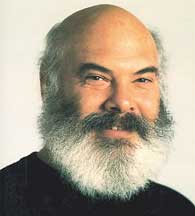 Dr Andrew Weil
Holistic
Health Directory
Alternative Medicine Animal Health Bodywork and Massage Business and Personal Services Counseling and Therapy Education, Schools, Classes Events Natural Foods/ Healthy Products Psychic Arts/Energy Medicine Restaurants and Healthy Dining Retreats, Spas, Travel Spiritual Practices Tools for Living Writing and Books Browse all » |
|||||
|
||||||
| © 1995-2012 The Share Guide → Home | Site Map | Healthy Products | Advertise | Directory |
